
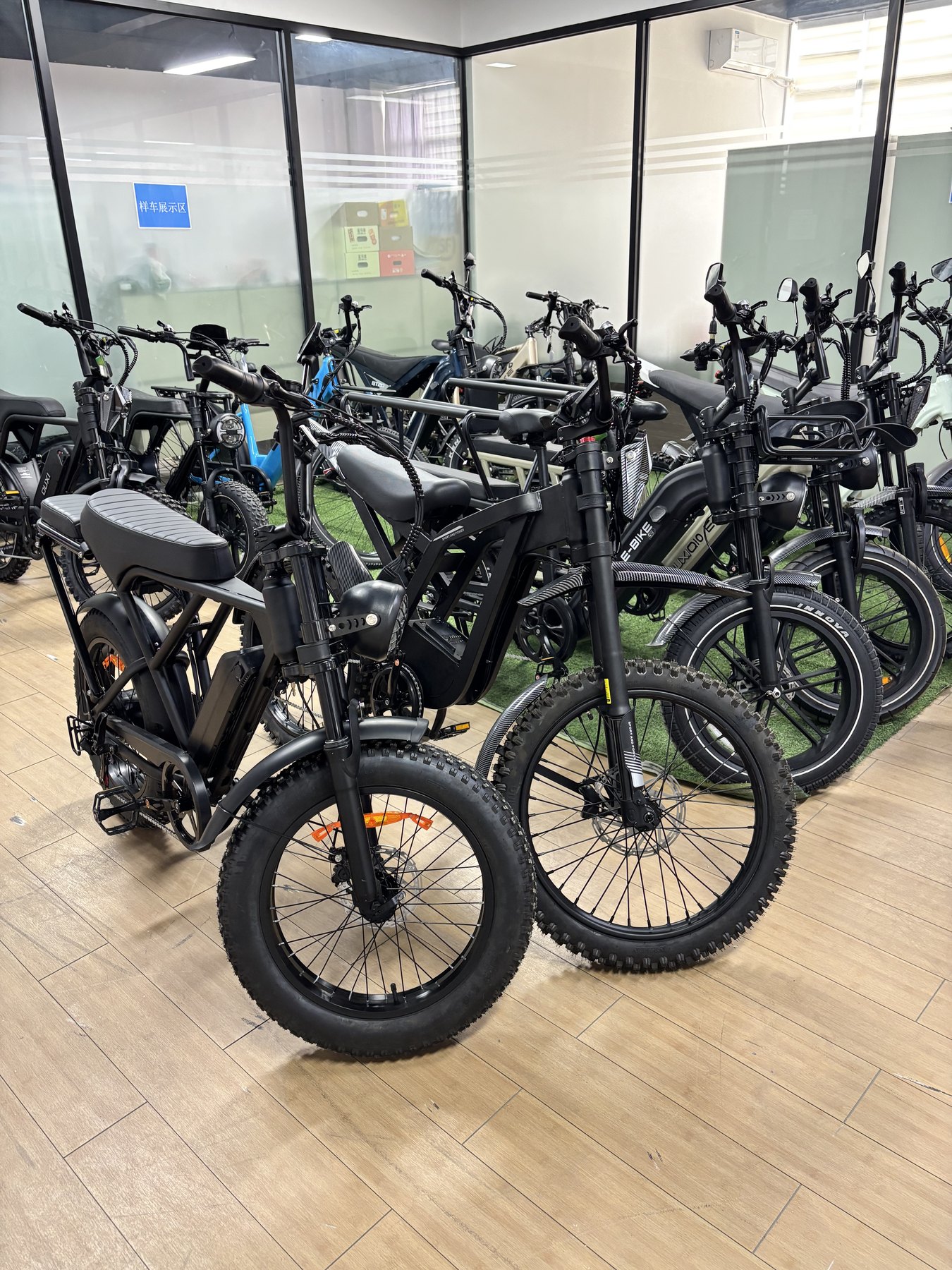
An e-bike is a system, not a catalogue frame with a logo. The motor, controller, battery, charger, brakes, geometry, firmware, packaging and service parts must work together—and must fit the requirements of the market where the bike will be sold.
Start with use case and destination market
Define the rider, terrain, range expectation, carrying load, price position and sales channel before selecting a model. A city commuter, cargo bike and fat-tire recreational bike create different requirements for frame design, power system, brakes, tyres and accessories.
Document the destination market and intended product classification early. Product, battery, charger, labels, manuals and transport arrangements may be affected. Confirm applicable rules and test evidence with qualified compliance and logistics specialists for your market.
- Target rider height and maximum load.
- Typical terrain, weather and daily distance.
- Motor, battery and speed expectations permitted for the target use.
- Display, lights, racks, mudguards, brakes and other required components.
- Retail carton, assembly level and customer setup experience.
Verify the factory behind the model
Some suppliers design and assemble complete bikes; others mainly integrate purchased frames and electrical systems. Understand which engineering, frame production, painting, wheel building, assembly and testing operations are performed in-house and which are subcontracted.
Review capacity at the line and at the constrained processes. A high headline capacity is not useful if battery supply, painting, wheel assembly or final testing cannot meet the order plan.
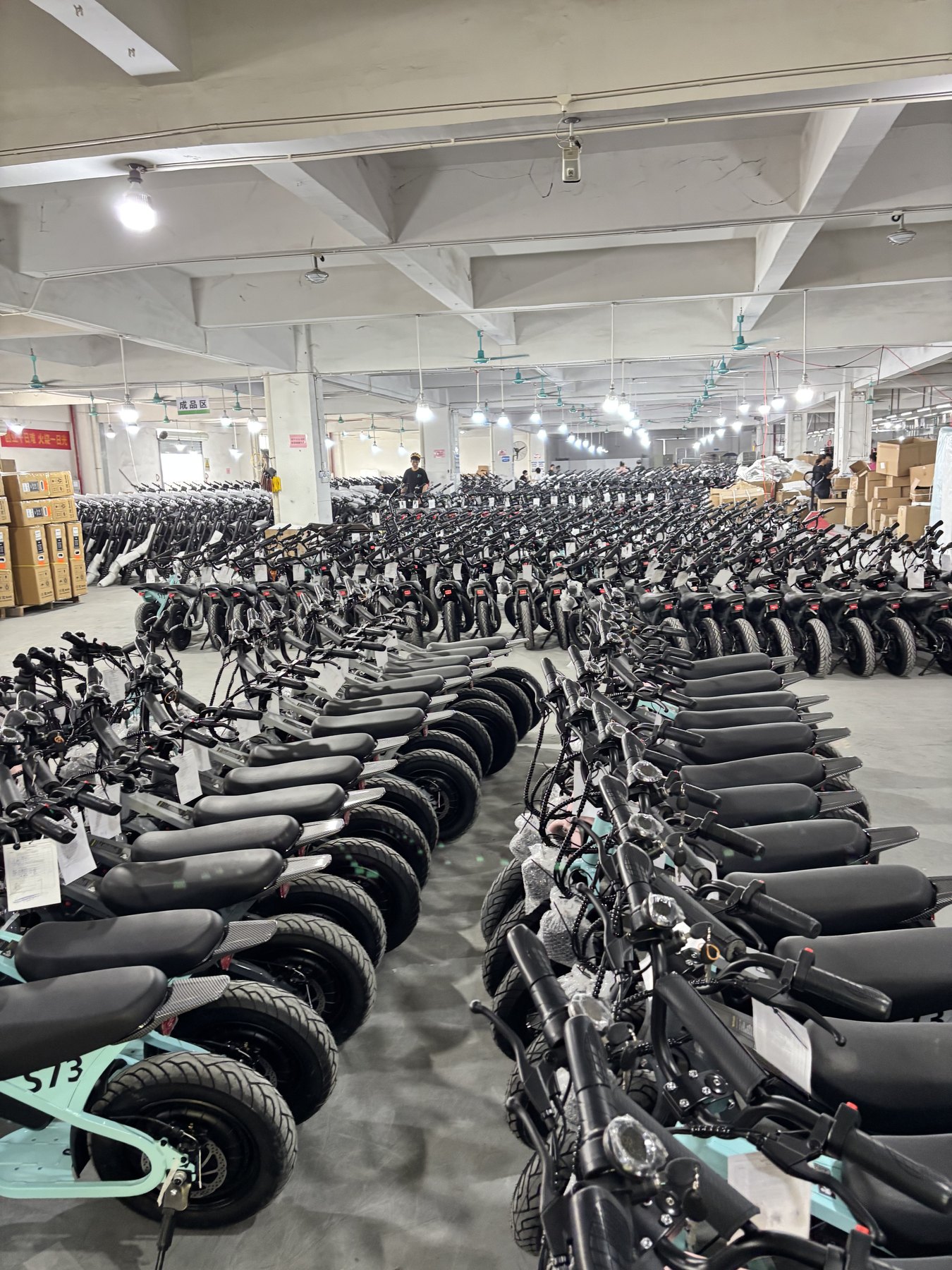
Ask the supplier to trace one model from incoming components through assembly, testing, packing and serial-number records.
Lock the component system—not only the appearance
Two bikes that look identical in photos can have very different reliability and service needs. Specify component manufacturer, model and key ratings where they matter, then define an approval process for substitutions.
- Frame material, size, geometry, weld and finish requirements.
- Motor position, supplier, model and performance specification.
- Battery cell, pack configuration, enclosure, connector and battery-management details.
- Controller, display, sensor, wiring harness and charger compatibility.
- Brake system, drivetrain, wheels, tyres, lights and contact points.
Require written approval before any named or critical component is replaced. A “same specification” substitute can still change fit, performance and after-sales support.
Test a production-representative sample
The sample should reflect the intended frame, electrical system, component list, software settings and packaging. Record the full bill of materials and serial information so the approved configuration can be compared with production.
Evaluate assembly quality, braking, power delivery, controls, noise, ride behaviour, charging, range under a defined test condition and the practical steps a customer will perform after unboxing. Specialist laboratory testing may also be required for the product and market.
- Photograph component labels and connectors before closing the sample record.
- Measure key geometry and setup points rather than relying on catalogue values.
- Record firmware or display settings that affect performance.
- Keep the approved sample or an equivalent golden sample available for comparison.
Build quality checks around real failure modes
A generic visual inspection is not enough for a complex assembled product. The control plan should cover incoming critical components, torque and assembly points, cable routing, brake and drivetrain setup, electrical function, charging, wheel condition, finish, accessories and traceability.
Use in-process checks when a fault will be hidden after assembly. At final inspection, select packed and finished units from across the lot and verify both the bike and the customer-facing package.
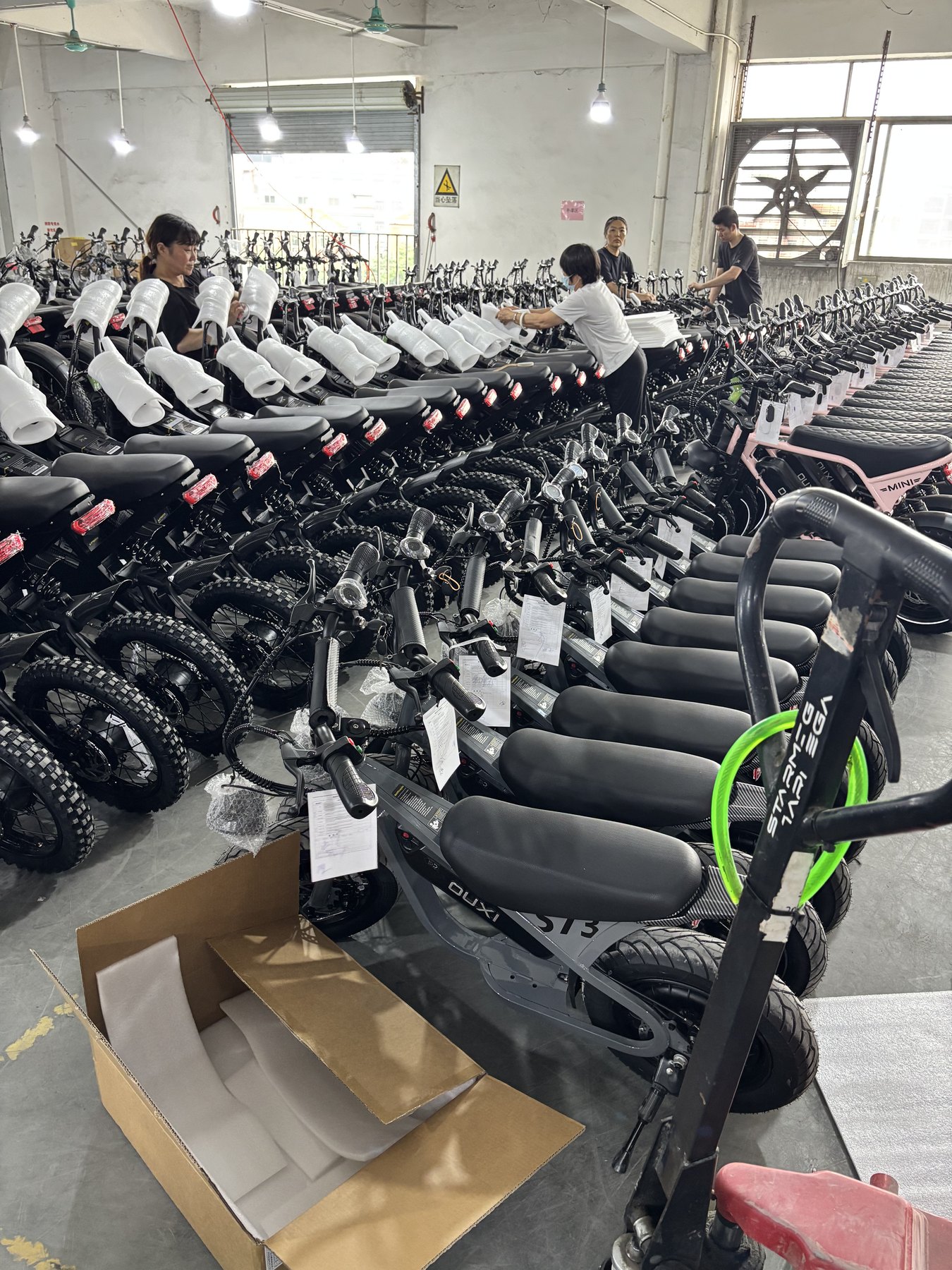
Plan shipping and after-sales before the order
Battery documentation, carrier acceptance, package design and destination handling need early coordination. Confirm the exact shipping configuration with your freight and compliance partners; do not assume a route used for an ordinary bicycle will accept the same electric product.
After-sales readiness affects the true cost of the order. Agree a spare-parts list, diagnostic information, warranty responsibility, replacement-part lead times and how production changes will be communicated to your service team.
- Protect frames, displays, brake rotors, derailleurs and protruding components in transit.
- Verify carton dimensions and assembly level before freight quotations are finalised.
- Order practical service parts with the first shipment.
- Keep component and serial records so field issues can be traced to a production lot.