
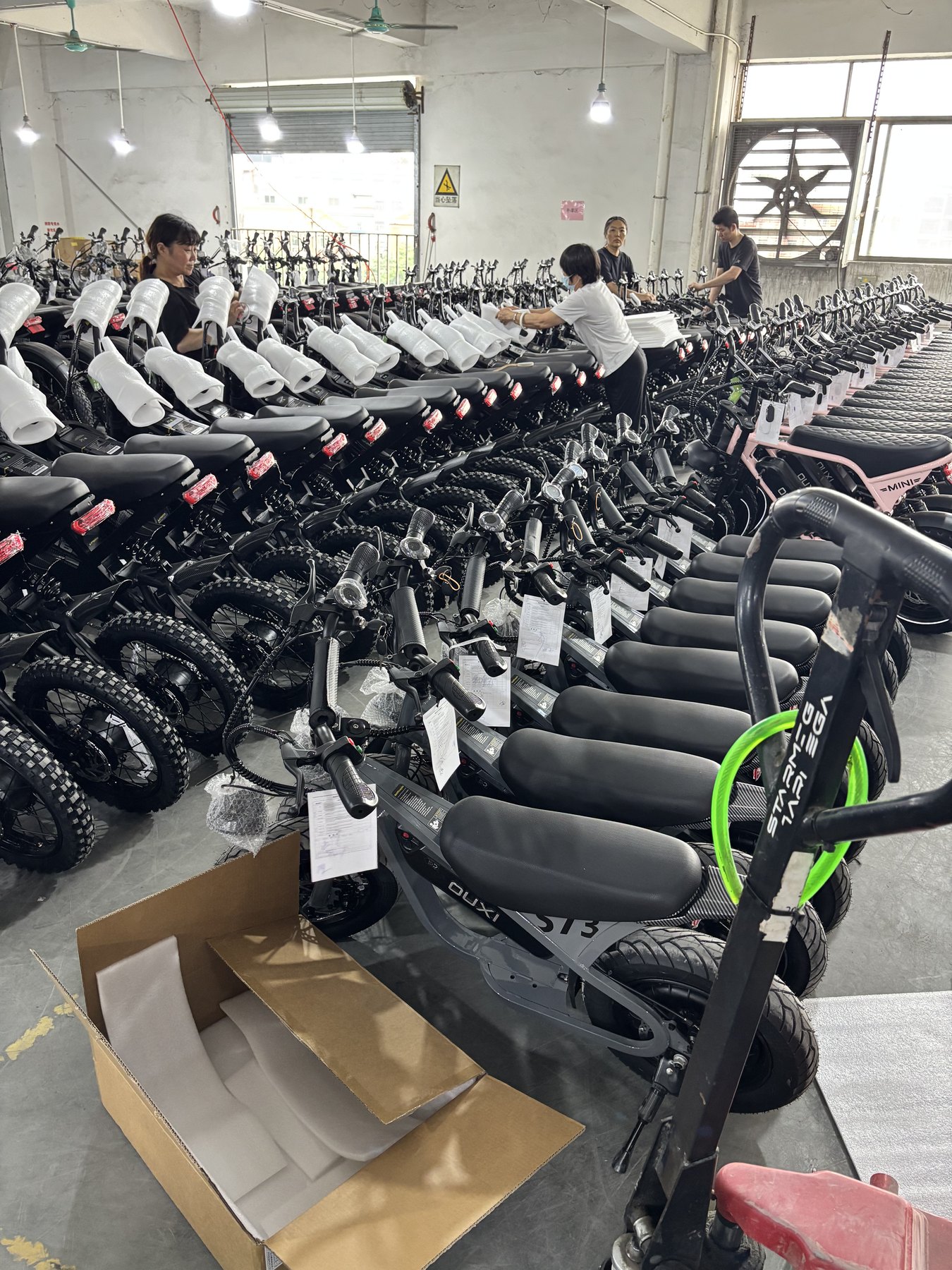
A pre-shipment inspection is a decision tool, not a ceremonial photo report. It should compare finished goods against an agreed standard while there is still time to contain defects, correct packaging and decide whether the order is ready to leave the factory.
Inspect at the right production stage
A final random inspection is normally arranged when production is substantially complete and enough finished goods are packed to assess both product and packaging. If the order is still being assembled, the inspector may not be able to select a representative sample or verify final quantity.
Leave time between the inspection and the planned shipment. A report delivered hours before container loading creates pressure to accept unclear findings and leaves little room for sorting, rework or reinspection.
Ask the factory for finished quantity, packed quantity and shipment date—not only whether the order is “ready.”
Give the inspector one approved standard
The inspection checklist should come from the purchase specification, approved sample and documented changes. Sending scattered chat messages forces the inspector to interpret which version is current.
- Product model, colour, material, dimensions and tolerances.
- Functional tests and the method used to perform them.
- Workmanship limits and examples of unacceptable defects.
- Accessories, manuals, labels, barcodes and regulatory marks supplied by the buyer.
- Retail packaging, export carton, carton marks and packing quantity.
Use a sampling plan that fits the risk
Random sampling gives a structured view of a production lot without checking every unit. The plan should state lot size, sample size, defect categories and acceptance limits. Critical safety or identity checks may require a different approach from general workmanship checks.
Sampling does not guarantee that every unit is defect-free. Its value is consistency: everyone knows how units are selected and how the result will be judged before the inspection begins.
Increase control for new factories, new tooling, complex products, previous failures or features that cannot be corrected after shipment.
Cover quantity, workmanship, function and packing
A useful report goes beyond surface photos. The inspector should identify the order and cartons selected, count available goods, compare construction and appearance with the standard, perform the defined functions and examine how the product is protected for transport.
- Quantity and assortment: models, colours, sizes, accessories and carton count.
- Workmanship: scratches, gaps, contamination, alignment, finishing and assembly.
- Dimensions and weight: checked with suitable, calibrated equipment where required.
- Function: product-specific operations performed under a repeatable method.
- Packaging: product protection, labels, carton strength, dimensions and marks.
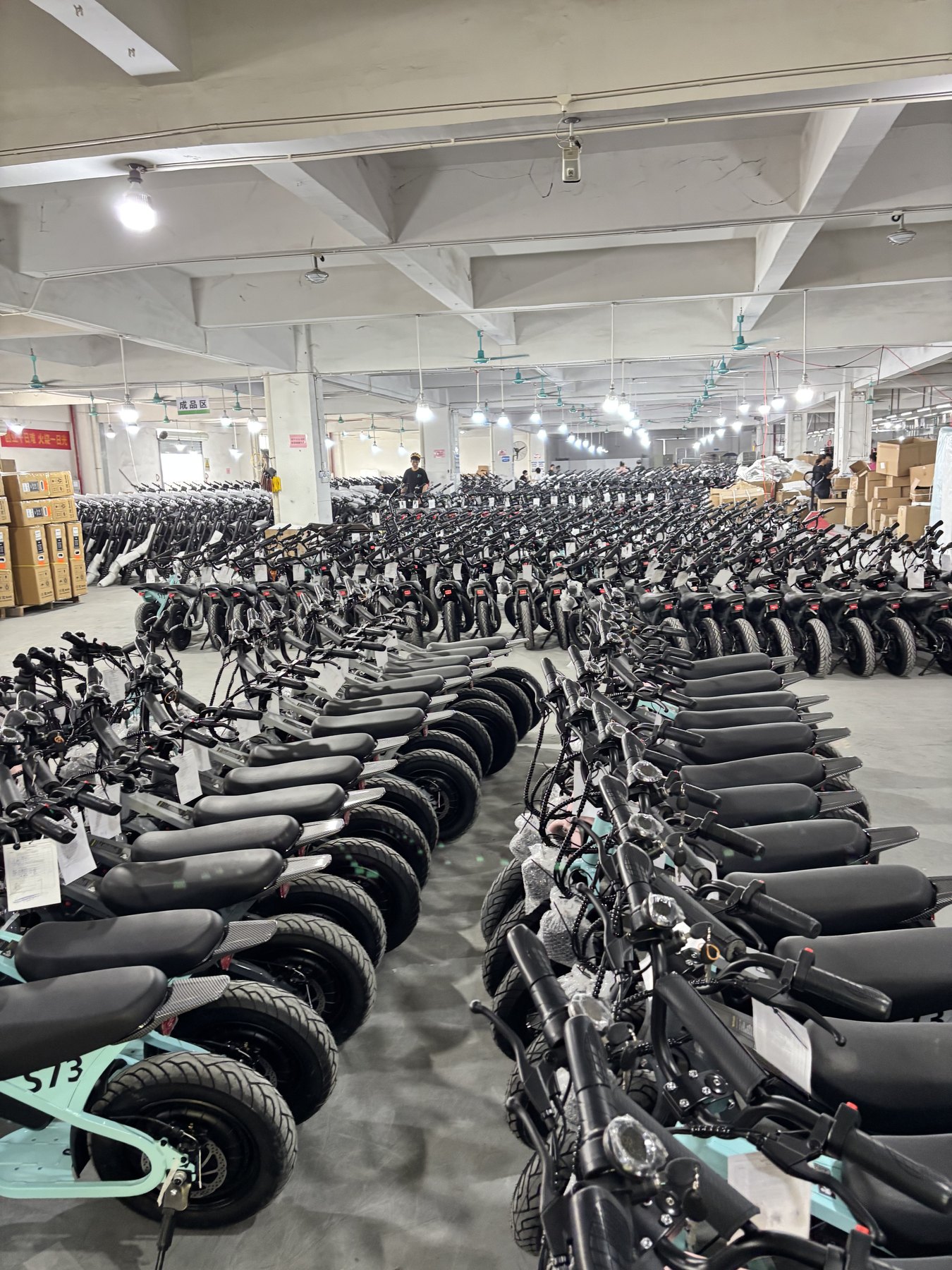
Turn findings into a clear decision
Defects should be described, photographed and classified consistently. The report also needs context: how many units were checked, how many showed the issue, whether it affects function or appearance and whether the same problem appears across cartons or models.
A pass result does not remove the buyer's responsibility to review unusual findings. A fail result does not automatically explain the best corrective action. The report provides evidence; the buyer or authorised quality owner makes the release decision.
- Accept when the evidence meets the agreed criteria and no unresolved critical issue remains.
- Conditionally accept only when the deviation and commercial consequence are clearly understood.
- Require sorting, rework or reinspection when the risk cannot be accepted as reported.
Close corrective actions before shipment release
When rework is required, record who will correct the goods, what method will be used, how affected units are identified and what evidence will confirm completion. Supplier photos can support minor closures; broader or functional failures often justify an independent reinspection.
Link payment and logistics milestones to the quality decision. The shipment should not be released merely because a forwarder is booked or the balance payment date has arrived.
Keep the final inspection report, corrective-action evidence, approval decision, packing list and shipping documents together for the order record.