
Finding a supplier is easy. Finding a manufacturer whose legal identity, equipment, capacity, quality habits and commercial terms fit your product takes a repeatable verification process—especially when the first contact happens online.
Build a brief a factory can answer
Manufacturers cannot quote or assess feasibility accurately from a product name and target price. Prepare a consistent request that defines function, material, dimensions, tolerances, appearance, packaging, order quantity, target market and expected timeline.
Separate fixed requirements from preferences. This helps a capable factory identify risks and propose alternatives without quietly changing the product you intended to buy.
- Reference drawings, photos or an existing sample where available.
- List critical-to-quality requirements separately from cosmetic preferences.
- State the expected annual volume as well as the first-order quantity.
- Ask suppliers to identify assumptions and exclusions in their quotations.
Search widely, then shortlist narrowly
Directories, trade fairs, referrals, industrial clusters and sourcing partners can all produce leads. The source of the lead is less important than the evidence used to qualify it. Build an initial list, remove obvious mismatches and compare a smaller group using the same questions.
Do not treat a marketplace badge, polished website or low quotation as proof of manufacturing capability. Those signals can support a search, but they do not replace verification.
A strong shortlist usually contains suppliers that fit the process and volume—not simply the three lowest prices.
Verify the company behind the quotation
Confirm the legal company name, unified social credit code, registered address, business status and business scope. Then match those records against the bank account, contract party, invoice information, website and people communicating with you.
A trading company can be the right partner when it adds engineering, coordination or access to multiple processes. The risk is not the label; it is believing you are contracting with one type of business when the reality is different.
- Ask who owns the production facility and who will sign the sales contract.
- Confirm whether key operations are performed in-house or subcontracted.
- Check that the factory location shown in documents matches the operating site.
Match factory capability to your product
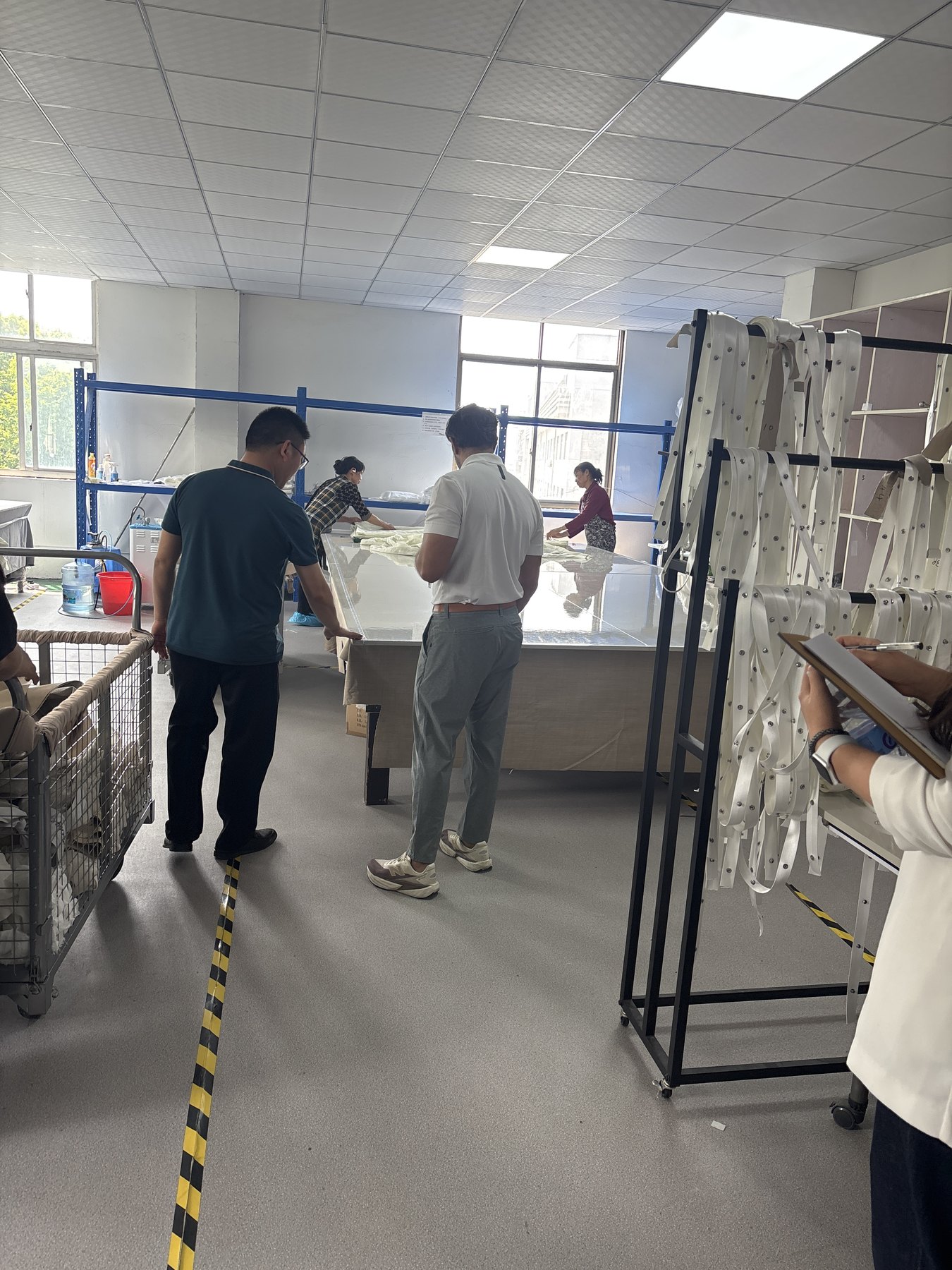
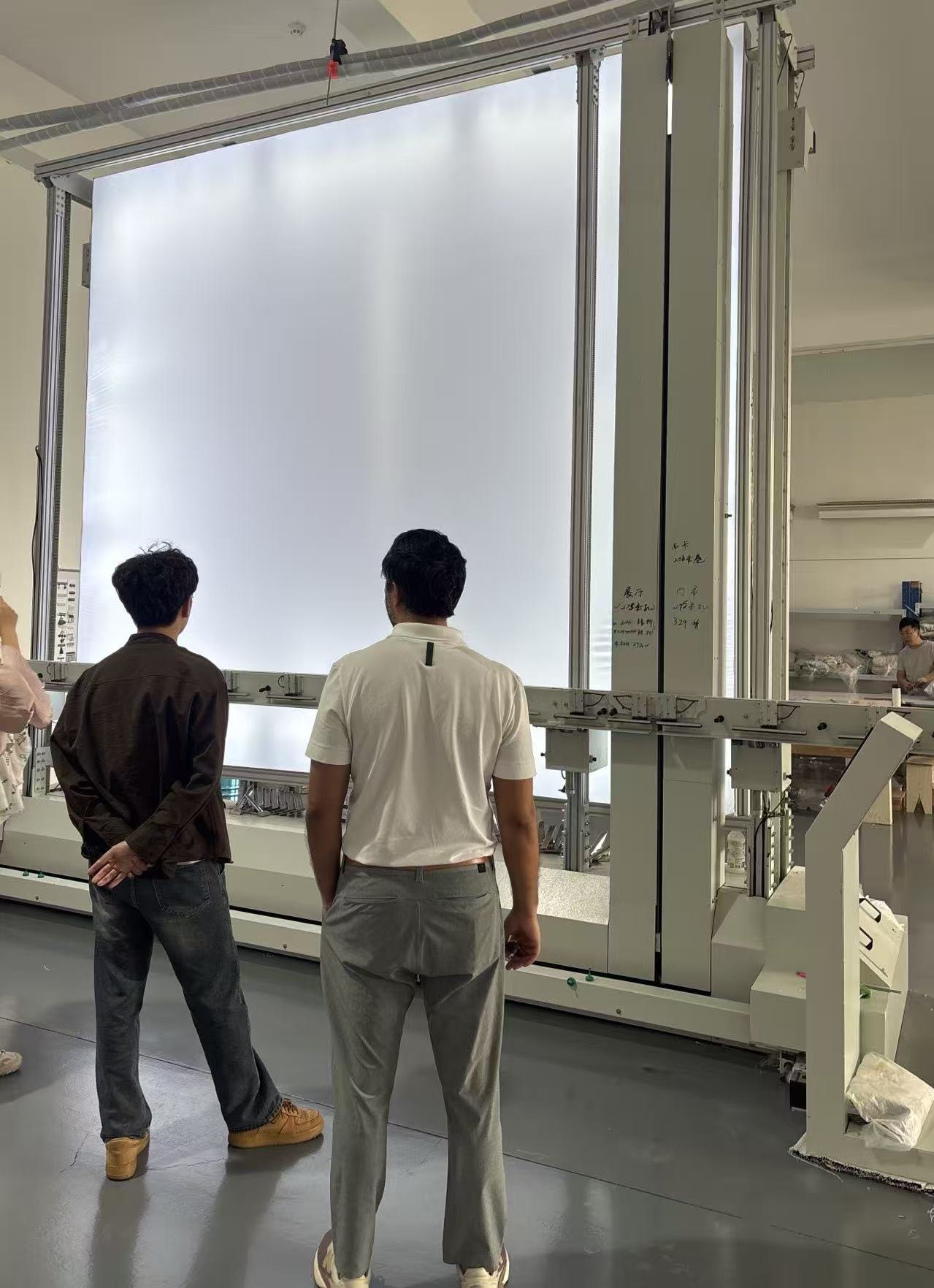
A site visit or factory audit should focus on the processes that create your product's main risks. Review relevant machinery, tooling control, incoming material checks, production flow, work instructions, inspection equipment, non-conforming product handling and capacity planning.
Evidence from a different product line may not be meaningful. Ask the factory to walk through how your order would move from incoming material to packing and which steps depend on external processors.
Use samples to validate both product and process
A sample should answer specific questions: Can the supplier meet the dimensions, finish, function and packaging requirement? Can the result be repeated in production? Record every accepted and rejected detail, then convert the approved version into a signed specification or golden sample.
Be cautious when a perfect sample is produced with methods that cannot scale. Ask what will change between sample-making and mass production, including material source, tooling, labour, line setup and test method.
Do not rely on chat messages saying the sample is approved. Keep a dated sample record, final specification and list of changes that the production team can follow.
Treat the first order as a controlled test
Commercial reliability becomes visible after the deposit: material preparation, communication discipline, change control, schedule accuracy and willingness to correct problems. Use a realistic first order, but avoid scaling faster than the evidence supports.
Set production milestones, request traceable updates and conduct an inspection before shipment. After delivery, review defects, packaging performance, documentation and response time before deciding whether to expand the relationship.
- Define what must be approved before production starts.
- Track changes to price, specification and lead time in writing.
- Hold shipment release until inspection findings and documents are reviewed.
- Keep a supplier scorecard for quality, delivery, communication and corrective action.