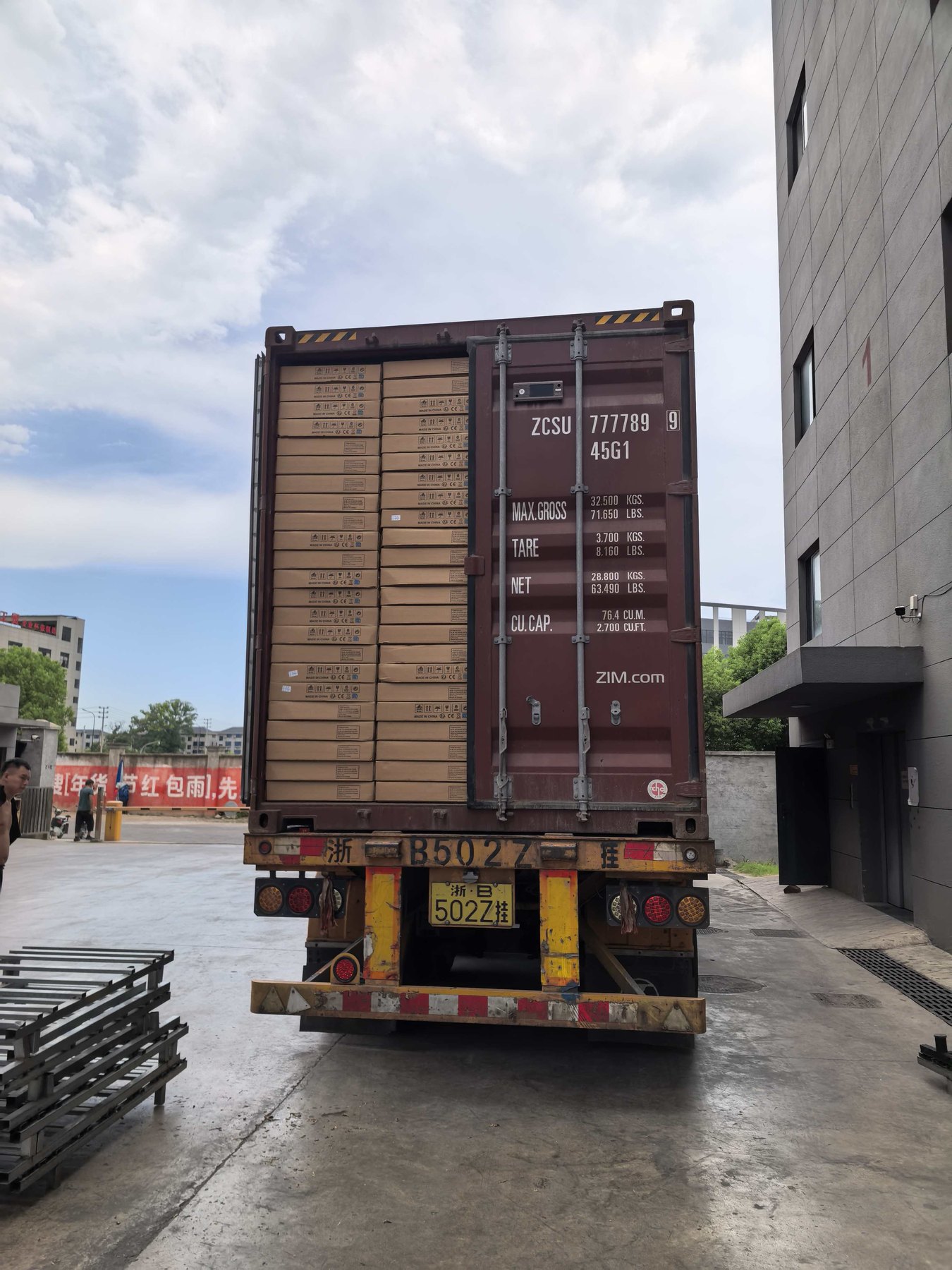
Shipping problems often begin before freight is booked: the trade term is unclear, carton data is estimated, documents do not match, or the order is released before quality issues are closed. Use one logistics file to connect the supplier, quality decision, forwarder and destination requirements.
Fix the commercial handover point
The quotation and purchase order should state the agreed Incoterm and named place. That decision affects which party arranges export handling, main carriage, insurance, import clearance and delivery—and where cost and risk transfer.
Do not compare freight offers until the service scope is consistent. A low quote may exclude origin charges, destination handling, duties, customs services, insurance or final delivery.
- Confirm the current Incoterm version and named port, terminal or delivery point.
- List which charges are included at origin and destination.
- Identify who is importer of record and who will handle customs clearance.
- Confirm whether cargo insurance is included and what evidence a claim requires.
Replace estimates with final cargo data
Freight planning needs carton count, dimensions, gross weight, net weight, volume, product description and ready date. For oversized, fragile, battery-powered, magnetic, liquid or otherwise restricted cargo, disclose the exact product early so the forwarder can confirm acceptance and documentation.
Ask the supplier to provide final packing data from the actual order. If the carton changes after a quotation, review freight cost, pallet plan, container utilisation and package protection again.
Measure and weigh sample cartons rather than copying catalogue dimensions into the final packing list.
Make every shipping document agree
Commercial invoice, packing list, transport document, customs data and any required certificates should use consistent parties, product descriptions, quantities, values, weights and marks. Small mismatches can create questions, delays or incorrect clearance entries.
- Seller, buyer, consignee and notify-party information.
- Product description, model, material and tariff-classification inputs reviewed by the importer.
- Currency, unit value, total value and agreed trade term.
- Carton count, packing quantity, gross weight, net weight and dimensions.
- Country-of-origin information and any destination-specific documents confirmed by specialists.
Control multi-supplier consolidation
Combining orders can reduce freight cost, but it adds coordination risk. Each supplier needs a delivery deadline, warehouse address, carton marks, packing list and contact person. The consolidation warehouse should record received quantity and visible carton condition.
Plan how mixed products will be separated, counted and loaded. If one supplier is late, decide in advance whether the shipment waits, splits or moves without that cargo.
- Assign a unique supplier or purchase-order mark to every carton.
- Use a master packing list that reconciles all supplier lists.
- Confirm whether repacking, palletising or labelling is required at the warehouse.
- Keep warehouse receiving photos for shortages or damage disputes.
Connect quality, payment and shipment release
The forwarder booking, balance payment and quality approval are separate milestones. Before release, confirm that production is complete, inspection findings are closed, final quantity is accepted and the packing list reflects the goods that will ship.
Use one named person to authorise release. This prevents a supplier, warehouse or forwarder from moving cargo because they assumed another party had approved it.
- Final inspection report reviewed and corrective actions closed.
- Final invoice and packing list approved.
- Payment status confirmed under the agreed terms.
- Forwarder booking, cargo cut-off and delivery instructions confirmed.
- Written shipment-release approval sent to the relevant parties.
“Goods ready” is a supplier update. “Shipment released” should be a documented buyer decision.
Keep a complete post-shipment record
After departure, check the draft transport document before final issuance and share the document pack with the importer or customs representative. Track key dates and keep evidence until delivery is complete and any claims period has passed.
- Approved commercial invoice and packing list.
- Transport document and booking or tracking references.
- Inspection, loading and warehouse-receiving photos where applicable.
- Insurance certificate and carrier correspondence.
- Customs and compliance documents confirmed for the shipment.
- Delivery record, shortage or damage evidence and final claim correspondence.