
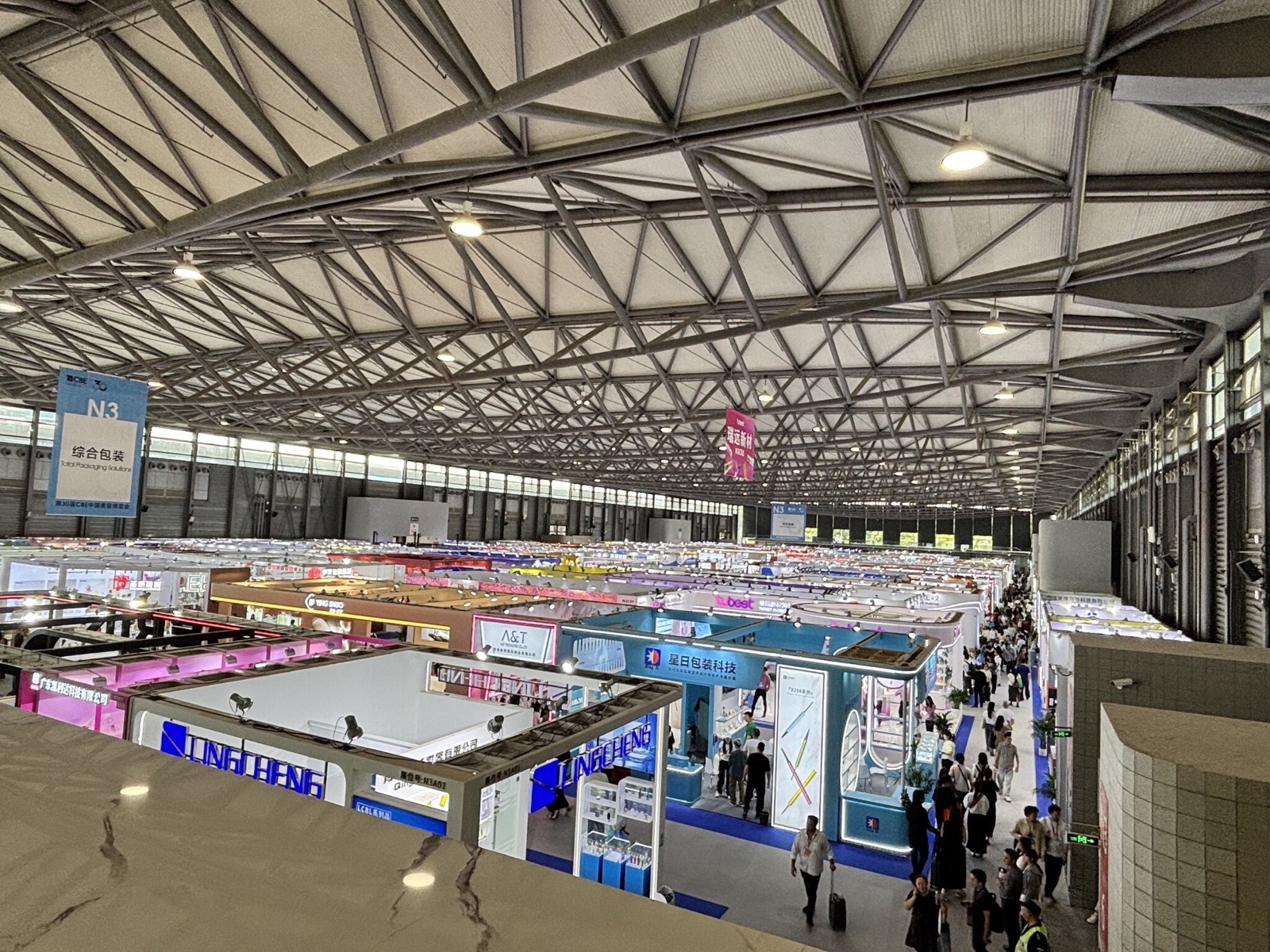
At a trade show this large, the challenge is not finding options—it is separating an attractive booth from a supplier that fits your formula, packaging, target market and commercial risk. These field notes turn a busy day at CBE Shanghai into a practical follow-up plan for international beauty buyers.
Use CBE as a market map, not a final supplier decision
The 30th China Beauty Expo was held at the Shanghai New International Expo Centre from 12–14 May 2026. The organiser's visitor guidance described more than 3,200 cosmetics companies, 10,000 brands and 80,000 new or featured products from over 40 countries and regions. That scale makes the show valuable for seeing how the beauty supply chain connects—from ingredients and formula development to packaging, filling equipment and finished brands.
Scale also creates noise. A polished booth confirms that a company invested in the event; it does not confirm legal identity, factory ownership, export experience, quality systems or the ability to reproduce the sample you handled. Treat every useful conversation as a lead that still needs verification.
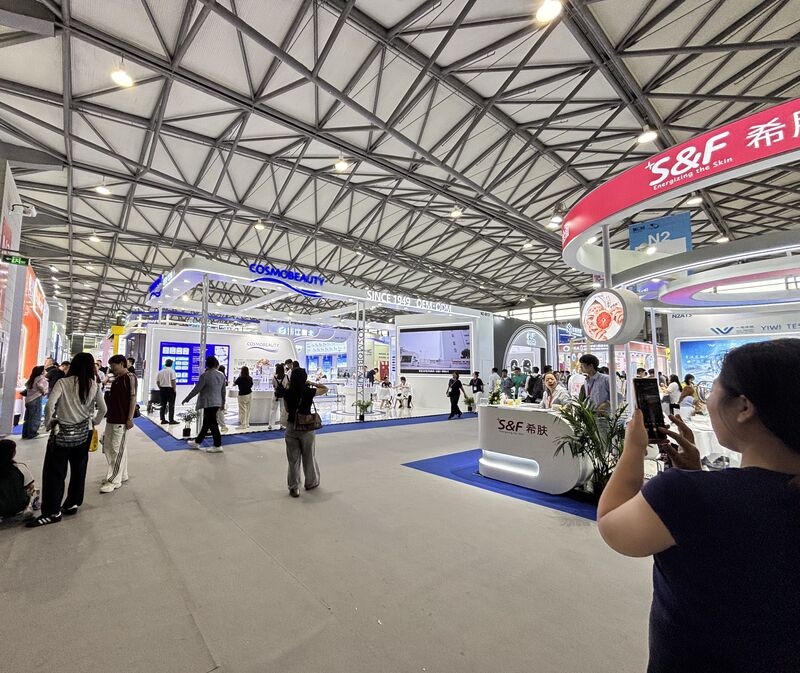
Collect fewer, better leads. Ten suppliers with clear notes are more useful than 100 business cards with no qualification record.
Walk the full supply chain before choosing a product
Beauty products are systems. A serum is not only a formula: it also depends on bottle compatibility, pump or dropper performance, decoration, filling tolerances, carton protection and the regulatory information required in the destination market. Looking at only finished samples can hide the constraints that later affect cost, lead time and stability.
CBE Supply groups OEM/ODM, ingredients, packaging, machinery and technical innovation. Walking those categories separately helps a buyer understand where a supplier creates value and where it depends on subcontractors. It also reveals alternatives when the original concept is too expensive or difficult to manufacture reliably.
- Ingredients and formulations: claims, test data, restrictions and stability.
- OEM/ODM: development capability, batch size, filling and production control.
- Primary packaging: material, closure, pump output, leakage and compatibility.
- Secondary packaging: printing, inserts, labelling, retail presentation and transit protection.
- Machinery: filling, sealing, assembly and inspection limits that shape the specification.
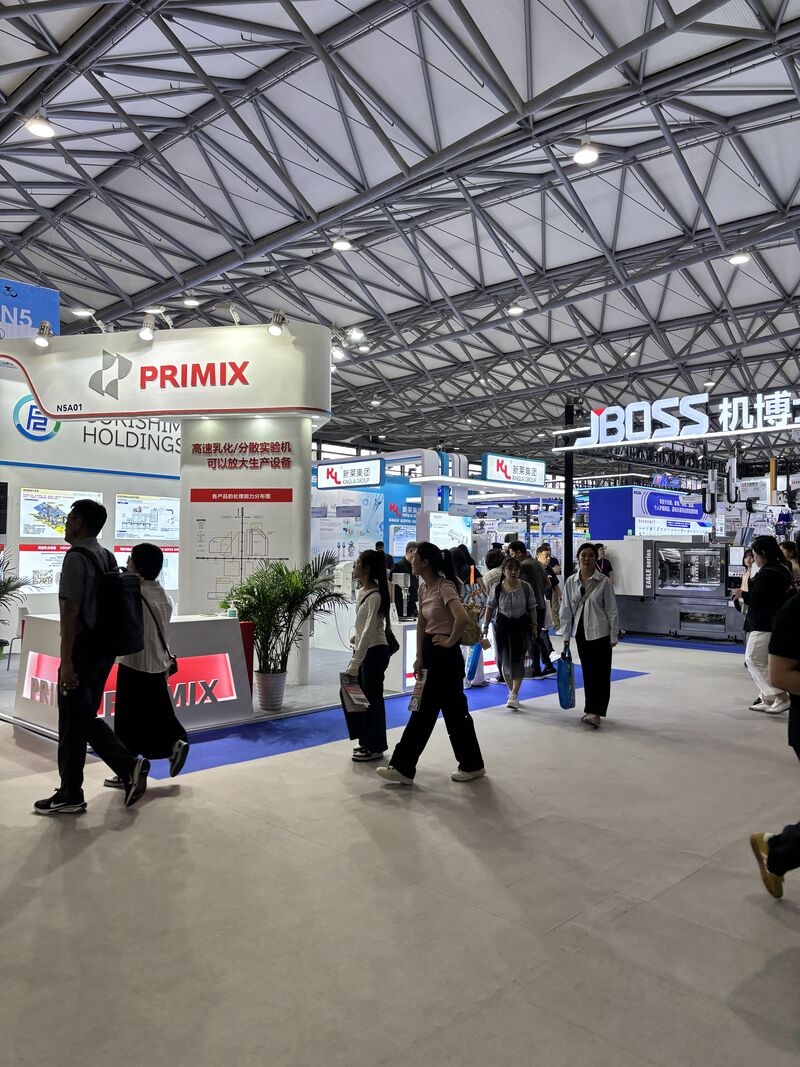
Qualify OEM and ODM suppliers by manufacturing fit
Ask first whether the exhibitor is the manufacturer, a brand owner, a trading company or a group representing several facilities. Then connect its capability to your exact category. A factory strong in mature skin-care emulsions may not be the right partner for colour cosmetics, aerosols, high-active formulas or devices.
The useful discussion is specific: target formula, texture, claims, packaging format, estimated annual volume, launch market and testing requirements. Share enough to test competence without treating an early booth conversation as a finished development brief.
- Factory location, legal company name and whether production is in-house.
- Existing products that use a comparable formula or process.
- Standard and realistic custom MOQ for formula and packaging.
- Sample stages, development charges and ownership of custom work.
- Quality certifications, test capability and recent export markets.
- Typical development, stability-test and mass-production lead times.
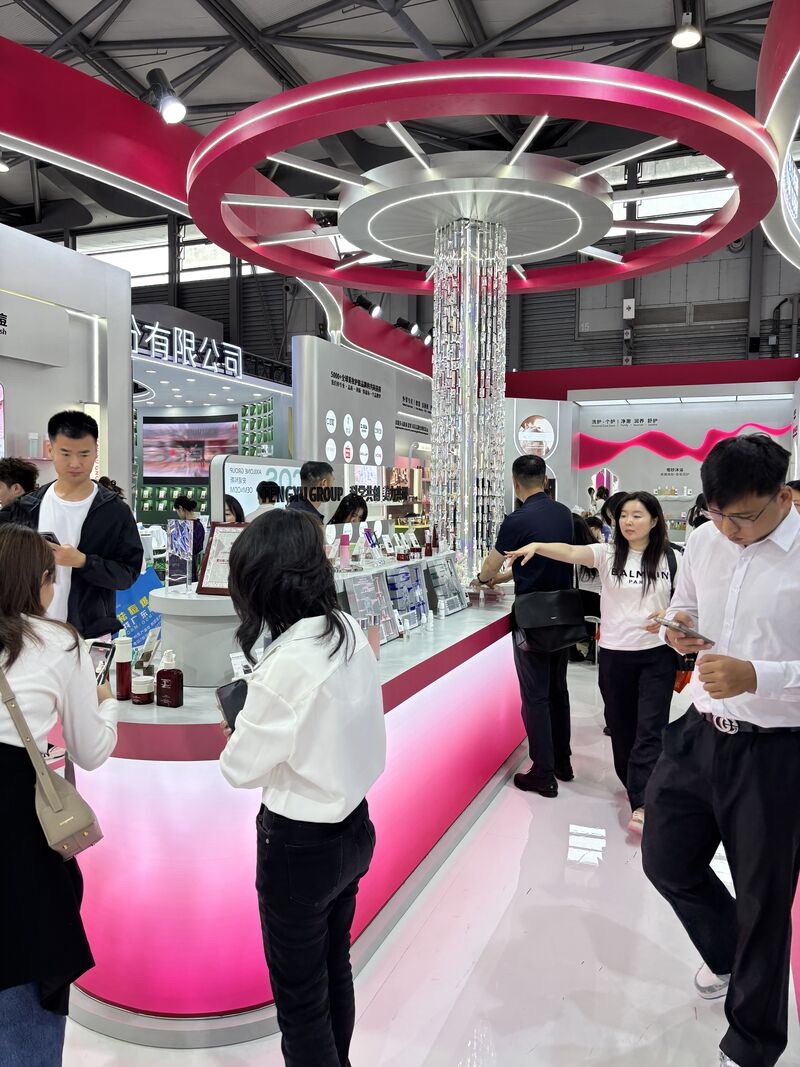
Treat packaging as a technical sourcing project
Beauty packaging carries much of the visual differentiation, but the highest risks are often functional. The bottle, closure, formula, decoration and filling process must work together. A component that looks excellent when empty can leak, discolour, clog or distort after filling and transport.
Ask whether a displayed item is a standard mould, an exclusive design or only a concept sample. Confirm which parts are supplied by the exhibitor, the mould ownership, minimum quantities by colour and decoration, dimensional tolerances and the tests used for leakage, compatibility and drop resistance.
- Request drawings, material specifications and component-level quotations.
- Separate base MOQ from colour, printing, coating and assembly MOQs.
- Test the intended bulk formula in production-equivalent packaging.
- Approve decorated samples under controlled colour and artwork references.
- Confirm how units will be protected through filling, packing and export transport.
Ask questions that make suppliers easier to compare
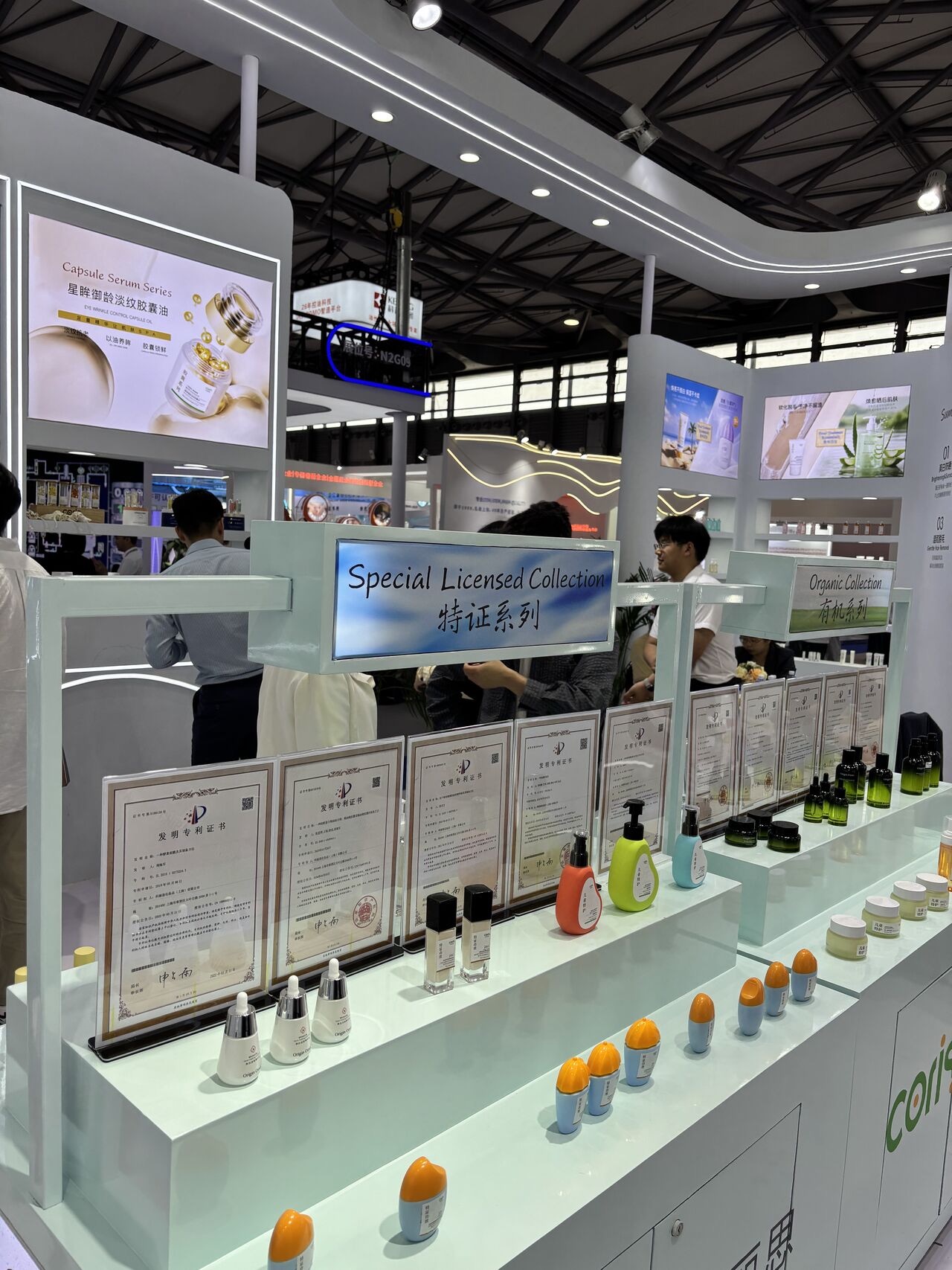
Trade-show conversations move quickly, so use one qualification sheet for every serious lead. Record the person you met, legal company name, booth number, product discussed, quoted assumptions, sample promised and next action. Photograph the booth sign and product reference with permission so the conversation can be reconstructed later.
Avoid collecting vague “best price” quotations. A meaningful comparison needs the same volume, formula or specification, packaging configuration, decoration, quality requirements, trade term and destination context.
- Which factory would manufacture this exact product, and can we visit it?
- Which parts of the formula, packaging and decoration are made in-house?
- What changes between the catalogue sample and a custom production order?
- What are the MOQs for the product, colour, decoration and printed packaging?
- Which tests are included, which require a third party and who owns the results?
- What information do you need to issue a complete, comparable quotation?
- Who will own the follow-up after the exhibition, and by what date?
Agree on one next step: document pack, sample, quotation, video call or factory visit. “Keep in touch” is not a sourcing milestone.
Convert exhibition leads into a controlled shortlist
The real sourcing work begins after the show. Consolidate duplicate contacts, send the same written brief to qualified candidates and compare answers in one format. Verify the legal entity and manufacturing location before paying development fees or relying on claimed certifications.
Move promising suppliers through evidence-based stages: document review, remote or on-site verification, samples, testing, commercial comparison and a controlled first order. Keep backup options until the preferred supplier demonstrates stable communication and reproducible quality.
- Within 48 hours: label photos, contacts, products and agreed actions.
- Within one week: issue a common brief and request comparable documents and quotations.
- Before sampling: verify the company, factory relationship, capability and payment account.
- Before production: approve the formula, packaging, artwork, test plan and golden sample.
- Before shipment: inspect against the approved specification and close corrective actions.
We can turn trade-show leads into a verified supplier comparison, coordinate samples and visit shortlisted factories before a buyer commits to production.