

Custom manufacturing works best as a series of evidence-based approvals. Each stage should reduce a different uncertainty: whether the concept is clear, whether the design can be made, whether the sample performs and whether the production process can repeat the approved result.
Translate the idea into testable requirements
A mood board and target price are useful starting points, but a supplier needs requirements it can price, design and verify. Define the user, use case, critical functions, size, materials, appearance, expected life, packaging, order volume, destination market and launch timing.
Label assumptions and open decisions. Product development includes learning, so the brief can evolve—but every change should be visible and assessed for cost, lead time, tooling and compliance impact.
- Must-have functions and measurable performance targets.
- Reference products and the exact features to keep or change.
- Target retail position, factory cost range and first-order volume.
- Known intellectual-property and destination-market requirements.
- Packaging, branding and customer unboxing expectations.
Choose a supplier for the development work
The best mass-production supplier is not always the best development partner. Look for relevant engineering capability, access to the required processes, realistic feedback, structured sample management and experience bringing comparable products into repeatable production.
Ask who owns mechanical, electrical, firmware, tooling and packaging decisions. If several subcontractors are involved, identify who integrates the system and controls revisions.
A capable supplier will challenge unclear or contradictory requirements and explain the manufacturing consequence—not simply answer that everything is possible.
Use prototypes to answer one question at a time
Early prototypes may test shape, ergonomics or one technical function without representing final materials. Later samples should move closer to the intended tooling, components, finish and assembly process. Define the purpose of each sample before paying for it.
- Appearance sample: colour, proportion, texture and brand placement.
- Engineering sample: function, interfaces, dimensions and performance.
- Packaging sample: protection, labelling, pack-out and unboxing.
- Pre-production sample: the complete configuration intended for mass production.
For every revision, keep photos, measurements, test results, component version, feedback and the supplier's written response.
Freeze the specification and golden sample
Approval should identify exactly what production must repeat. Combine the golden sample with controlled drawings, bill of materials, colour references, functional test methods, workmanship limits, packaging files and a revision number.
If tooling is involved, record ownership, storage, maintenance, expected life and the approval needed before modification. Changes after this gate should follow a written process rather than informal supplier substitutions.
- Sign and date the approved sample or retain a matched control sample.
- Mark critical dimensions and components in the specification.
- Confirm final unit price, MOQ and lead time against the frozen version.
- List any unresolved items and the evidence required before production.
Prove repeatability with pilot production
A pilot or small first run tests more than the product. It reveals whether materials arrive correctly, work instructions are understood, fixtures and tests are practical, defects are contained and the packaging process works at line speed.
Review the pilot against the same standard planned for mass production. Correct the process, not only the handful of units inspected, and update the controlled documents when a change is approved.
- Confirm incoming critical materials and component versions.
- Observe high-risk assembly and finishing steps.
- Measure yield, rework and recurring defect patterns.
- Approve production only after corrective actions are verified.
Develop packaging and launch content from the real product
Packaging, manuals, photography and sales claims should match the production-approved configuration. Creating them too early can lock in dimensions, features or accessories that change during development.
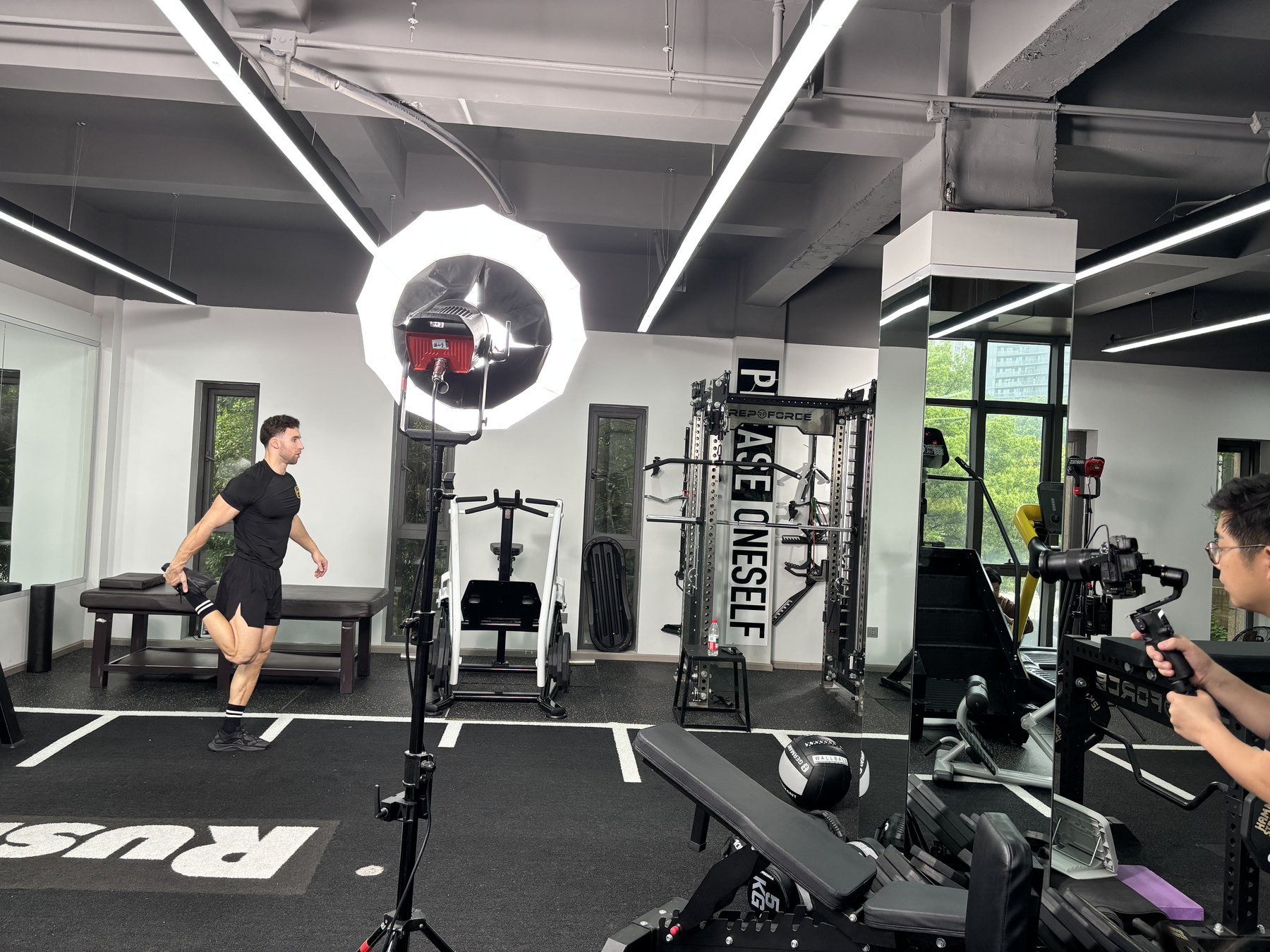
Schedule content production after the product is stable but before the shipment leaves. Use the real finish, controls and included accessories so customers receive what the launch materials show.
Archive the final product data, packaging artwork, manual, approved images, inspection criteria and spare-parts information as one controlled release package.